Starting a new tenancy the right way protects your income, keeps you compliant, and heads off disputes before they begin. Miss a legal step — a deposit not protected, an out-of-date gas certificate, the wrong alarm in the wrong room — and you can lose the ability to regain possession or face a fine. This is the ultimate start-of-tenancy checklist for UK landlords in 2026, covering every legal must-do and the practical steps that make a tenancy run smoothly, updated for the Renters’ Rights Act.
Key Takeaways
- The non-negotiables: Right to Rent check, protected deposit, EPC (min E), gas safety record, EICR, working smoke & CO alarms, fire-safe furniture.
- Since 1 May 2026 there are no fixed-term ASTs or Section 21 — give a written statement of terms, the How to Rent guide, and no more than one month’s rent in advance.
- Protect the deposit within 30 days (capped at five weeks’ rent) and serve the prescribed information — miss it and you face a penalty and can’t rely on the deposit.
- A CO alarm now belongs in any room with a fixed combustion appliance (a gas boiler too), not just solid-fuel rooms.
- A dated, signed inventory with photos is your single best protection at check-out.
The legal must-dos (get these right first)
| Requirement | What to do | Deadline |
|---|---|---|
| Right to Rent | Check every adult occupier’s right to rent in England (share code or documents) | Before move-in |
| Deposit protection | Protect in an approved scheme + serve prescribed information; cap 5 weeks’ rent | Within 30 days |
| EPC | Valid EPC, minimum band E; give a copy to the tenant | Before marketing / move-in |
| Gas safety (CP12) | Annual Gas Safe check; give the record to the tenant | Before move-in; then every 12 months |
| EICR | Satisfactory electrical report from a competent electrician | Every 5 years |
| Smoke & CO alarms | Smoke alarm on every storey; CO alarm in any room with a fixed combustion appliance | Working at start of tenancy |
| Fire-safe furniture | Upholstered items meet the Furniture & Furnishings (Fire Safety) Regs and carry labels | Before move-in |
| How to Rent guide | Give the current government How to Rent guide to the tenant | At the start of the tenancy |
Deposit protection: the detail that trips landlords up
If you take a deposit, protect it in an approved scheme (DPS, mydeposits or TDS) within 30 days and give the tenant the prescribed information. The deposit is capped at five weeks’ rent where annual rent is under £50,000. Get this wrong and a court can order you to repay the deposit plus a penalty of one to three times its value — and, with Section 21 abolished, non-protection also undermines your ability to gain possession.
Safety checks in plain terms
- Gas: a Gas Safe engineer must check any gas appliances every 12 months; give the tenant the record before they move in and within 28 days of each check.
- Electrics: a satisfactory EICR every five years; fix any C1/C2 items within 28 days.
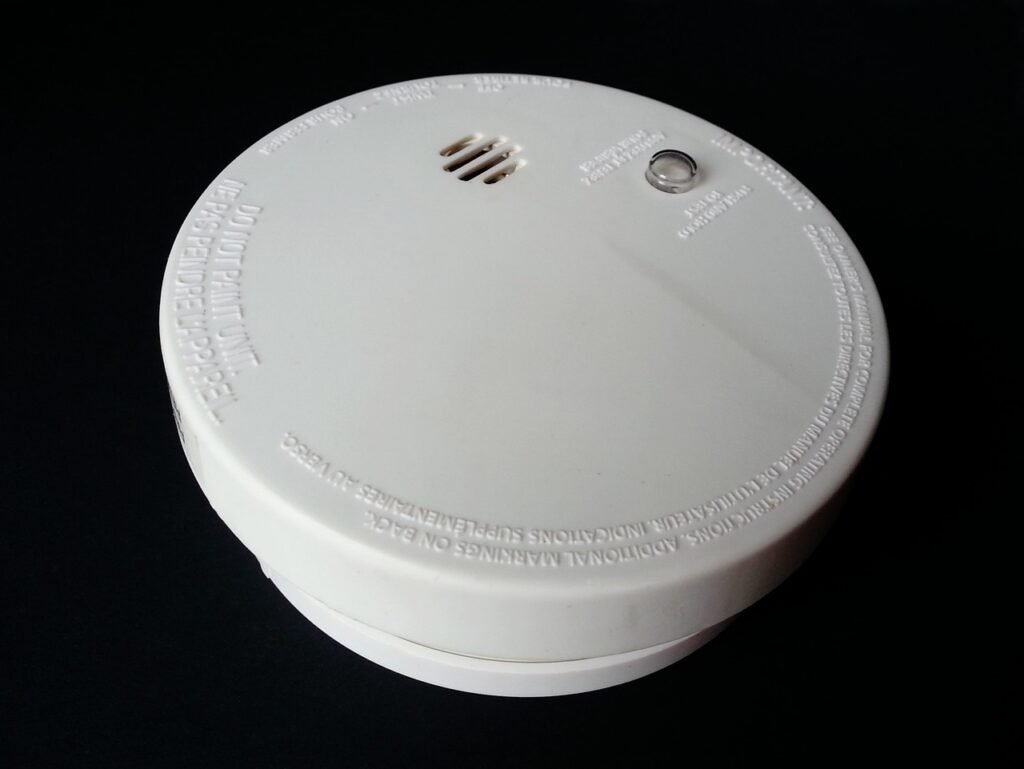
- Alarms: a smoke alarm on every storey and a CO alarm in any room with a fixed combustion appliance (a gas boiler counts; gas cookers are excluded). Test they work at the start of the tenancy.
- Legionella: carry out a simple Legionella risk assessment of the water system and keep a record.
Start-of-tenancy safety & setup kit
As an Amazon Associate, we earn from qualifying purchases — at no extra cost to you.
One per storey; interlinked models sound together, which meets rising fire-safety expectations.
Required in any room with a fixed combustion appliance (boiler, stove); fit before move-in.
Hand over keys and manage contractor access cleanly between check-in visits.
A cheap, sensible addition that helps meet furnishing fire-safety good practice.
What the Renters’ Rights Act changes at the start of a tenancy
From 1 May 2026, the Renters’ Rights Act 2025 reshapes how tenancies begin:
- No fixed-term ASTs. New tenancies are periodic assured tenancies from day one; you still provide a written statement of terms.
- No Section 21. Possession runs through Section 8 grounds, so getting your paperwork right at the start matters more than ever.
- Max one month’s rent in advance, and rental bidding is banned — advertise a fixed rent.
- Give the current How to Rent guide at the start; keep proof you provided it.
The practical setup
- Inventory & schedule of condition: a room-by-room report with dated photos and meter readings, signed by the tenant — your key evidence for any deposit deduction.
- Rent collection: set up a standing order or direct debit before move-in — see our rent collection guide.
- Utilities & council tax: take move-in meter readings and notify suppliers and the council of the new occupier.
- Insurance: landlord buildings cover (and contents if you furnish); consider rent guarantee insurance.
- Keys & security: a full set of keys, and change the locks between tenancies.
- Welcome pack: your contact details, copies of all certificates, appliance instructions, and bin/recycling days.
Common mistakes to avoid
- Handing over keys before the deposit is protected and the compliance documents are served.
- Fitting a CO alarm only in solid-fuel rooms — the rule now covers gas boilers too.
- Relying on a fixed-term AST or a Section 21 plan — both are gone.
- Skipping the signed inventory — without it you’ll struggle to justify any deduction.
Conclusion
Work through the legal must-dos first, layer the practical setup on top, and start every tenancy with a clean, documented handover. Do that and you protect your income, stay compliant with the 2026 rules, and set the tone for a smooth tenancy. Keep this checklist to hand and run it every single time.
Written by the Landlords Portal team, current as of July 2026 for England. General information for landlords, not legal advice — check the current rules and take professional advice on your circumstances.
Frequently Asked Questions
What must a landlord provide at the start of a tenancy?
A Right to Rent check, a protected deposit with prescribed information, a valid EPC (min band E), a gas safety record, a satisfactory EICR, working smoke and CO alarms, fire-safe furniture, and the government How to Rent guide. From 1 May 2026 you also give a written statement of terms for a periodic tenancy.
How long do I have to protect the deposit?
Within 30 days of receiving it, in an approved scheme, plus serve the prescribed information. The deposit is capped at five weeks’ rent (annual rent under £50,000). Failure can mean a penalty of one to three times the deposit.
Where does the carbon monoxide alarm need to go?
Since October 2022, a CO alarm is required in any room used as living accommodation that contains a fixed combustion appliance — including a gas boiler — not only solid-fuel rooms. Gas cookers are excluded.
Do I still use an assured shorthold tenancy?
No. From 1 May 2026 new tenancies are periodic assured tenancies with no fixed term and no Section 21. You provide a written statement of terms and can seek possession only on Section 8 grounds.