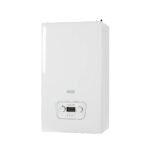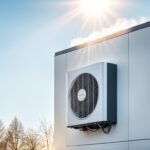
A boiler breakdown in January is every landlord’s nightmare — no heat or hot water, an unhappy tenant, and a repair bill that can run into the hundreds. Boiler cover promises to take that risk away for a monthly fee, but it isn’t a legal requirement and it isn’t right for everyone. This guide cuts through the sales talk: what boiler cover actually does, what it doesn’t, and how to decide whether it’s worth it for your rental.
Last reviewed: 7 August 2026.
Key takeaways
- Boiler cover is not a legal requirement — but keeping the property heated and doing the annual gas safety check are.
- Cover typically bundles an annual service, breakdown repairs and sometimes the gas safety certificate (CP12).
- Common exclusions: wear and tear, pre-existing faults, sludge, and older boilers (many policies cap the age).
- The alternative is to self-insure — set aside the premium yourself and pay for repairs as they arise.
- Beyond about 10–12 years, replacing an unreliable boiler often beats insuring it.
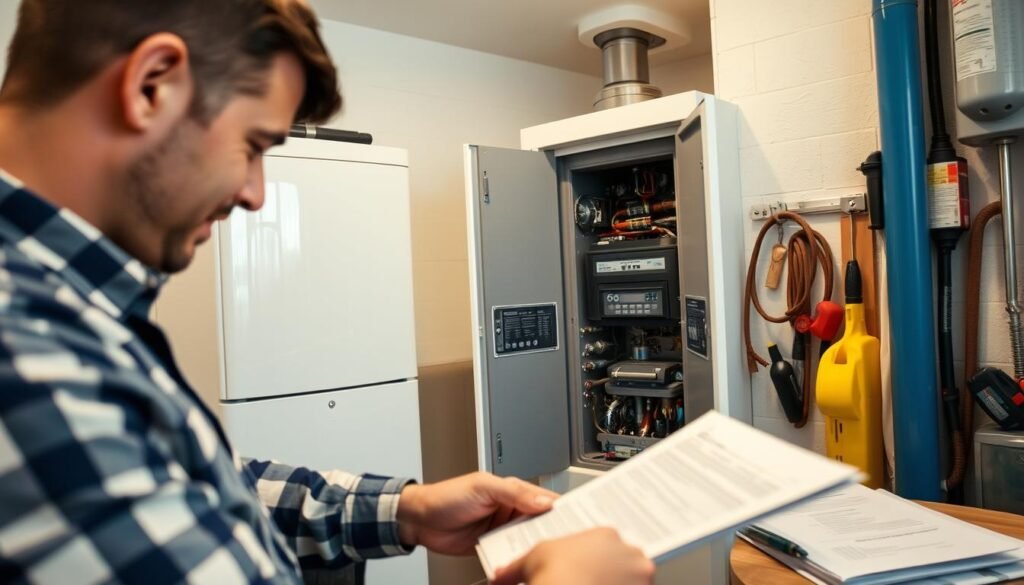
What the law actually requires
Cover itself is optional, but the underlying duties are not. Under the Landlord and Tenant Act 1985 you must keep the heating and hot water in working order and carry out repairs within a reasonable time, and under the Gas Safety (Installation and Use) Regulations 1998 you must have an annual gas safety check by a Gas Safe registered engineer and give tenants the record within 28 days. Since the Renters’ Rights Act 2025 and the extension of Awaab’s Law to the private sector, a prolonged loss of heating can count as a serious hazard you must act on quickly — so fast repairs matter more than ever, whether you insure them or not.
Boiler cover vs self-insuring
Boiler cover
✓ Predictable monthly cost
✓ Annual service often included
✓ Fast access to an engineer
✗ Exclusions & age limits
✗ May cost more than it pays out
Self-insure
✓ Keep the premium if nothing breaks
✓ No exclusions or age caps
✓ Choose your own engineer
✗ A big repair lands all at once
✗ Needs discipline to set money aside
The classic money-saving argument is to self-insure: put the monthly premium into a maintenance fund and pay for repairs yourself. Over a modern boiler’s life that often works out cheaper, because you keep the money if nothing goes wrong. Cover wins when you value certainty, don’t have a contingency fund, or manage from a distance and want a single number to call. There’s no universally right answer — it depends on the boiler’s age, your cash buffer and your appetite for risk.
What boiler cover typically includes — and excludes
| Usually included | Usually excluded |
|---|---|
| Breakdown repairs (parts & labour) | Wear and tear / gradual ageing |
| Annual boiler service | Pre-existing faults |
| Gas safety check (on some plans) | Boilers over a set age (often ~7–15 years) |
| 24/7 helpline | Sludge/scale removal and resulting damage |
| Sometimes wider central heating | Cosmetic parts, or issues under manufacturer warranty |
Always read the policy: age limits, per-claim caps, excess fees and an initial exclusion period (often around 14 days, sometimes with a service required in the first weeks) all vary. If your boiler is still under a manufacturer’s warranty, you may be paying twice for repairs already covered — check before buying.
Repair, cover or replace?
Cover makes most sense on a reasonably modern, reliable boiler you want to keep running predictably. On an ageing unit (beyond roughly ten to twelve years) that’s needing frequent call-outs, the sums often favour replacement instead — a new, efficient boiler cuts tenants’ bills, supports your EPC, and comes with its own warranty. If you’re replacing, ask whether a low-carbon option fits: the Boiler Upgrade Scheme pays £7,500 towards an air source heat pump. See our guide to common combi boiler faults for the everyday problems worth fixing yourself.
Cut breakdowns before they happen
Whichever route you choose, prevention is cheaper than either. An annual service, a chemical inhibitor and a magnetic filter protect against the sludge that causes most faults, and a smart thermostat gives you frost protection during voids.
Protects against the sludge behind most boiler faults.
Clears trapped air from radiators cold at the top.
Remote control and frost protection between tenancies.
FAQ
Is boiler cover a legal requirement for landlords?
No. What’s required is keeping the heating in working order, an annual gas safety check by a Gas Safe engineer, and giving tenants the CP12 within 28 days. Boiler cover is one way to manage those duties, not a legal must.
Is boiler cover worth it for a rental?
It depends. On a modern boiler with a decent contingency fund, self-insuring is often cheaper. Cover suits landlords who want certainty, lack a repair fund, or manage remotely. On an old, unreliable boiler, replacement usually beats both.
What isn’t covered by boiler cover?
Typically wear and tear, pre-existing faults, sludge/scale and resulting damage, cosmetic parts, and boilers over a set age. Many policies also have per-claim caps and an initial exclusion period, so read the terms.
When should I replace rather than insure the boiler?
Generally once it’s beyond about ten to twelve years old and needing frequent repairs, or when parts are hard to source. A newer boiler is cheaper to run and supports your EPC — and a heat pump may qualify for a £7,500 grant.
Written by the Landlords Portal team — experienced UK landlords covering the private rented sector. This article is general information, not financial or legal advice. Provider names, prices and policy terms change — always compare current policies and read the small print.