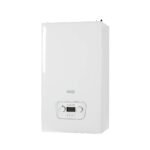
Updated October 2026. Whether you let a single flat or run an HMO with bills included, the thermostat decides how much control you have over heating, energy bills and void-period frost protection. This guide covers the two things landlords actually look for: smart thermostats you can schedule and control remotely, and lockable or tamper-proof thermostats that stop tenants turning the heating up to 28°C on your bill. It now also includes our named picks for ordinary single lets.
Last reviewed: 29 October 2026. As an Amazon Associate, Landlords Portal earns from qualifying purchases, at no extra cost to you. We don’t show prices because they change; tap through to see the current price on Amazon.
Key takeaways
- Check compatibility first — combi boiler, system boiler, heat pump and electric underfloor all need the right model.
- Remote control lets you protect an empty property from frost between tenancies.
- Better control means lower tenant bills and a marginally better EPC.
- Have it installed by a qualified person; wiring into a boiler isn’t a DIY job.
Our top smart thermostat picks for rentals
Popular, flexible starter kit with app control and handy frost protection for voids.
A recognisable brand tenants find easy to use, aimed at common combi-boiler setups.
The updated tado° range with a bridge — a strong choice if you want the latest features.
Purpose-made for electric underfloor heating, with app scheduling.
Why landlords fit smart or lockable thermostats
- Control bills-included heating. In HMOs and all-inclusive lets, uncontrolled heating destroys your margin. Scheduling and temperature caps keep costs predictable.
- Remote management and void protection. Adjust, schedule or turn off heating from your phone, and set a frost-protection temperature between tenancies so pipes don’t freeze in an empty property.
- Tamper resistance. Lockable thermostats and guards stop tenants overriding your settings.
- Energy efficiency, comfort and your EPC. Smarter scheduling reduces waste, supports your energy rating ahead of EPC C and keeps the property warm enough to avoid damp and mould — which remains your responsibility.
One caution: you must still keep the home capable of being heated to a safe, healthy level. Setting caps so low that a property can’t stay warm risks a fitness for human habitation problem (excess cold is a serious hazard). Aim for control, not deprivation.
The three options for landlords
| Type | Best for | Landlord control |
|---|---|---|
| Consumer smart thermostat (Nest, Hive, tado°, Wiser) | Single lets & small HMOs | App scheduling, remote on/off, some temp limits |
| Lockable / tamper-proof thermostat + guard | Bills-included rooms | Physical lock or clear guard over the dial |
| Commercial HMO heating system (Prefect, Timeguard landlord range) | Larger multi-room HMOs | Per-room limits, boost timers, central control |
How to choose one for your property
Choosing a smart thermostat, step by step
Combi boiler, system boiler, heat pump or electric underfloor — this decides the model.
Use the maker’s compatibility checker before you buy; not every thermostat suits every system.
Usually the tenant day to day, with you able to set frost protection during voids.
Wiring into a boiler is a job for a qualified heating engineer or electrician.
The most common setup in UK rentals is a combi boiler, which the Hive and tado° models are designed for; electric underfloor needs a dedicated thermostat like the Meross. When in doubt, run the manufacturer’s compatibility checker before ordering.
Best smart thermostats for landlords
Our four named picks are in the box at the top of this guide. Beyond those, Google Nest, Hive, tado° and Drayton Wiser are the mainstream choices — all give you app-based scheduling and remote control, and most support temperature limits. tado° and Wiser are popular for room-by-room control via smart radiator valves, which suits HMOs. Compare current models and prices: smart thermostats on Amazon, or add smart radiator valves for per-room zoning.
Smart thermostat comparison
| Thermostat | Best suited to | Best for | |
|---|---|---|---|
| tado° V3+ | Most boilers | Overall pick | Check on Amazon |
| Hive | Combi boilers | Ease of use | Check on Amazon |
| tado° X | Most boilers | Latest features | Check on Amazon |
| Meross | Electric underfloor | Underfloor heating | Check on Amazon |
For a typical combi-boiler rental, the tado° V3+ starter kit is the safe all-round choice; the Hive is the friendliest for tenants who just want a familiar app.
Best lockable and tamper-proof thermostats
This is what most landlords are really after. Two approaches:
- A lockable thermostat with a PIN or key lock and a settable maximum temperature — see lockable landlord thermostats on Amazon.
- A thermostat guard — a clear lockable cover fitted over an existing dial or smart unit — see thermostat guards on Amazon. The cheapest way to lock down heating you already have.
Commercial HMO heating controls
For larger HMOs, purpose-built systems such as the Prefect Irus/ecoStat range or landlord-focused units from Timeguard/Sangamo give per-room temperature limits, boost timers and central monitoring. They cost more than a consumer thermostat but are designed for multi-occupancy control and are worth pricing up if you run several rooms.
What to look for
- Compatibility with your boiler/heating system (combi, system, or electric) and wiring.
- A maximum-temperature cap and, ideally, a PIN or physical lock.
- Remote access and scheduling via an app.
- Per-room / multi-zone control for larger HMOs.
- Reliable Wi-Fi — check your broadband setup reaches the thermostat location.
Installation and compliance
Many smart thermostats are DIY-friendly, but anything involving mains wiring or your boiler should be fitted by a competent electrician or heating engineer. Keep heating safe and efficient alongside your other duties — an annual gas safety check and a valid EICR where required.
Frequently asked questions
Can a landlord lock a thermostat so tenants can’t change it?
Yes — via a lockable thermostat with a PIN/max-temp setting, or a physical thermostat guard over the dial. But you must still let the home reach a safe, healthy temperature; setting it too low can breach your fitness-for-habitation duty.
Which smart thermostat is best for an HMO?
For small HMOs, tado° or Drayton Wiser with smart radiator valves give room-by-room control. For larger HMOs, a commercial system (e.g. Prefect) with per-room limits is usually better value.
Do smart thermostats really cut heating bills?
They can, mainly through better scheduling and not heating empty rooms. Savings vary by property and habits, so treat headline percentages as indicative rather than guaranteed.
Can I control the heating remotely between tenancies?
Yes — that’s a real landlord benefit. You can set a low frost-protection temperature during a void to prevent frozen pipes without heating the property fully.
Do smart thermostats work with any boiler?
No — check compatibility first. Combi, system, heat pump and electric underfloor systems need the right model, so use the manufacturer’s compatibility checker before buying.
Who should install it?
A qualified heating engineer or electrician. Wiring a thermostat into a boiler is not a DIY job, and getting it wrong can affect safety and any warranty.
Written by the Landlords Portal team — experienced UK landlords covering the private rented sector. Product suggestions are popular, well-rated options on Amazon, not lab-tested by us; check current reviews and compatibility before buying. This article is general information, not legal or technical advice; use a qualified installer for wiring or boiler work.
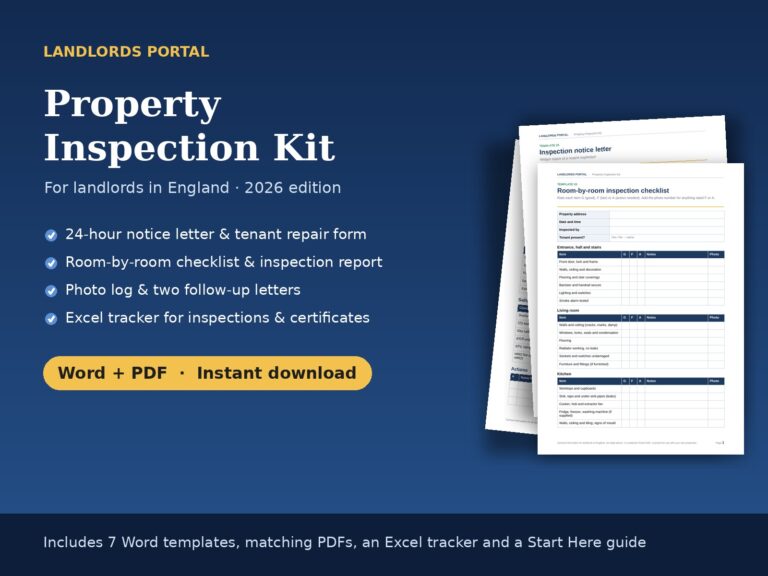
Template pack from Landlords Portal
Run every inspection properly: the Property Inspection Kit
Dated evidence of the property's condition protects you in repair, damp and deposit disputes. This kit gives you every document for an inspection, written for landlords in England.
- 24-hour notice letter and tenant repair report form
- Room-by-room checklist, inspection report and photo log
- Follow-up letters, plus an Excel tracker for gas safety, EICR and EPC dates