
Combi boilers — short for combination boilers — are the workhorse of most UK rentals, combining a high-efficiency water heater and central heating boiler in one compact unit with no separate tank. They are reliable, but they do go wrong, and when they do it is usually the landlord’s phone that rings. This guide covers the most common combi boiler faults, what causes them, what you can safely check yourself, and where the line falls between a quick fix and a job for a Gas Safe registered engineer.
Last reviewed: 31 July 2026.
Important safety note: any work on the gas side of a boiler must be carried out by a Gas Safe registered engineer — it is illegal for anyone else to do it. The checks below are limited to safe, non-gas actions such as reading the pressure gauge, resetting, bleeding radiators and clearing an external condensate pipe. If in doubt, call an engineer.
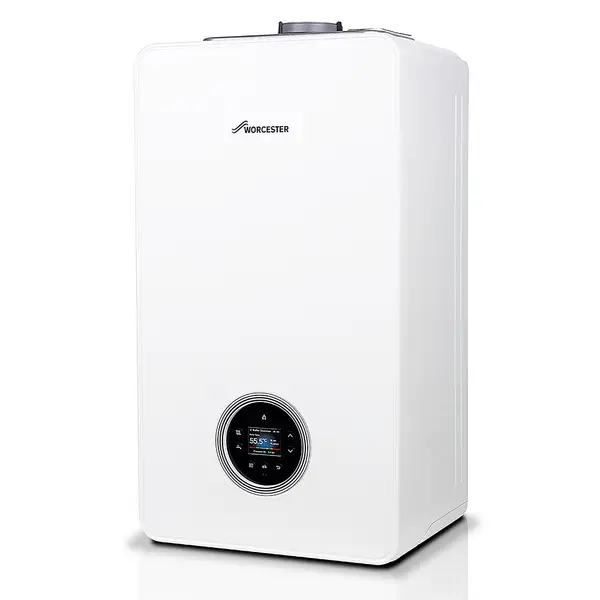
Common combi boiler faults and what to do
1. No hot water or heating
The classic complaint — icy showers or a cold home. Common causes include an airlock, a frozen condensate pipe, a faulty diverter valve or low water pressure. Start with the safe checks: look at the pressure gauge, and if radiators are cold at the top, bleed them to release trapped air. If it is freezing outside, a frozen condensate pipe is a likely culprit (see below). A faulty diverter valve or pump needs a qualified engineer.
2. Boiler keeps switching itself off
A boiler that repeatedly shuts down is often reacting to low water pressure, a blocked condensate pipe, a faulty pressure relief valve or a thermostat problem. Check the pressure gauge first and top up if it is low (see the low-pressure section). If it keeps cutting out after that, book an engineer to assess the valve and internal components.
3. Low boiler pressure
Most combis run at around 1–1.5 bar when cold. If the gauge reads below about 1 bar, the boiler may lock out. Pressure can usually be restored by opening the filling loop — the small braided hose beneath the boiler — briefly until the gauge rises back into the normal (often green) band, then closing it. Tenants can be shown how to do this. If pressure keeps dropping, there is a leak somewhere in the system that needs investigating.
4. Frozen condensate pipe
In cold snaps the external condensate pipe (a white or grey plastic pipe running outside) can freeze and block, causing the boiler to shut down, sometimes with a fault code and a gurgling sound. It can often be thawed safely by pouring warm — not boiling — water along the exposed pipe, or holding a covered hot water bottle against it, then resetting the boiler. Lagging the pipe helps prevent it recurring.
5. Kettling or rumbling noises
If the boiler sounds like a whistling kettle, it usually points to a build-up of limescale or sludge in the heat exchanger, which traps heat and makes the boiler work harder. Left alone it wastes energy and shortens the boiler’s life. A power flush or the fitting of a magnetic system filter by an engineer, plus a chemical inhibitor in the system, is the usual remedy.
6. Radiators cold at the top or bottom
A radiator cold at the top but warm at the bottom means trapped air — bleed it with a radiator key. Cold at the bottom but warm at the top usually means sludge has settled inside, which points to a power flush and inhibitor. Persistent cold radiators across the property can indicate a circulation or pump problem for an engineer.
7. Leaking boiler
Water pooling around the unit is never normal and can be a safety hazard. Causes range from a failed pump seal or loose pipe connections to internal corrosion. Turn the boiler off, and if the leak is significant isolate the water supply, then call an engineer — a leaking boiler should not be run.
8. Ignition or pilot faults and fault codes
Modern combis rarely have a standing pilot light; instead they show a fault code on a digital display when ignition fails. A single reset (following the boiler’s instructions) is fine, but if it locks out repeatedly, note the fault code and pass it to your engineer — repeated resets on a gas fault are not safe. Ignition, gas valve and flue issues are strictly engineer territory.
A legal must near a gas boiler — required in any room with a fixed combustion appliance.
For releasing trapped air from radiators that are cold at the top.
Protects the system against sludge and limescale that cause kettling.
Maintenance and prevention
Prevention is far cheaper than emergency call-outs. An annual boiler service — sensibly timed to run alongside the mandatory gas safety check — catches wear before it becomes a breakdown. Fitting a magnetic system filter and dosing the system with inhibitor protects the heat exchanger from the sludge that causes kettling and cold radiators. Lagging the external condensate pipe heads off winter freezes. And encouraging tenants to report unusual noises, smells or a dropping pressure gauge early means you deal with a small issue rather than a mid-winter no-heat emergency. Keep a simple maintenance record for each property.
Repair or replace?
There comes a point where repeated repairs cost more than a new unit. As a rough guide, once a boiler is beyond about ten to twelve years old, is out of warranty, and is needing frequent call-outs — or spare parts are becoming hard to source — replacement usually makes more financial sense than another patch-up. A newer, more efficient boiler also cuts tenants’ bills and supports your EPC rating, and it is worth asking your engineer whether a low-carbon option such as a heat pump could suit the property before defaulting to a like-for-like swap. Weigh the repair quote against the age, reliability and efficiency of the existing unit.
Your legal gas safety duties
Boiler maintenance is not just good practice — it is a legal duty. Under the Gas Safety (Installation and Use) Regulations 1998 you must:
- Arrange an annual gas safety check by a Gas Safe registered engineer.
- Keep records of each check for at least two years.
- Give the tenant a copy of the gas safety certificate (CP12) within 28 days of the check, and to new tenants before they move in.
- Keep gas appliances and flues maintained in a safe condition.
Failure to comply can lead to heavy fines or, in serious cases, prosecution — so gas safety should never slip.
FAQ
Can I fix a combi boiler myself?
You can safely do non-gas tasks — check the pressure gauge, re-pressurise via the filling loop, bleed radiators, thaw an external condensate pipe and reset the boiler once. Any work on the gas side must be done by a Gas Safe registered engineer; it is illegal otherwise.
What pressure should a combi boiler be?
Most run at around 1–1.5 bar when cold. If it drops below about 1 bar the boiler may lock out; top it up via the filling loop. If pressure keeps falling, there is likely a leak that needs investigating.
Why does my boiler lose pressure?
A gradual drop can follow bleeding radiators, but a steady or repeated loss usually indicates a leak in the system or a failing pressure relief valve, both of which an engineer should check.
How often should a rental boiler be serviced?
Annually, ideally alongside the mandatory gas safety check. Regular servicing catches wear early and keeps the boiler efficient and safe.
When should I replace rather than repair a boiler?
Generally once it is beyond roughly ten to twelve years old, out of warranty and needing frequent repairs, or when parts are hard to get. A newer boiler is cheaper to run and supports your EPC rating.
Conclusion
Combi boilers are convenient and efficient, but they need attention. Knowing the common faults — and which you can safely resolve versus which need an engineer — keeps tenants warm, avoids costly emergencies, and keeps you the right side of your legal duties. Service annually, protect the system against sludge, react quickly to early warning signs, and always use a Gas Safe registered engineer for anything on the gas side.